
Health

All you need to know about Lassa fever.

Lassa fever

Lassa fever is actually named after a town called Lassa in Bornu state of Nigeria where it was first described in the 60s!

Lassa Fever: Signs, Symptoms, Treatment & Prevention

Synopsis: Information regarding Lassa fever, an acute viral illness that is endemic in parts of west Africa.

Definition: Lassa Fever

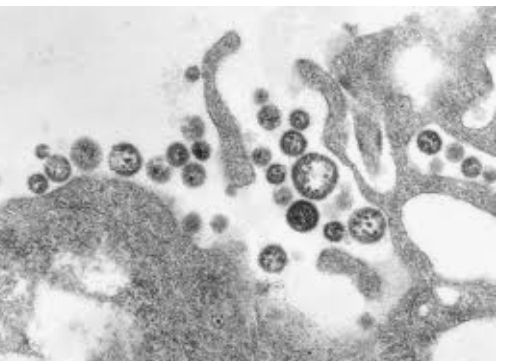
Lassa fever or Lassa hemorrhagic fever (LHF) is an acute viral hemorrhagic fever caused by the Lassa virus and first described in 1969 in the town of Lassa, in Borno State, Nigeria. Lassa fever is a member of the Arenaviridae virus family. Similar to ebola, clinical cases of the disease had been known for over a decade but had not been connected with a viral pathogen.

Main Document

Lassa fever is an acute viral illness that occurs in west Africa. The illness was discovered in the year 1969 when two missionary nurses died from it in Nigeria. The virus is named after the town in Nigeria where the illness first occurred. The virus is a member of the virus family, ‘Arenaviridae,’ and is a single-stranded RNA virus; it is, ‘zoonotic,’ or animal-borne. Lassa fever is endemic in parts of west Africa, to include the following areas:

Liberia
Guinea
Nigeria
Sierra Leone
Neighboring countries are also at risk due to the animal vector for Lassa virus. The animal is the, ‘multimammate rat,’ or, ‘Mastomys natalensis,’ which is distributed throughout the region as a whole. In the year 2009, the first case from Mali was reported in a traveler who was living in southern Mali. Ghana reported its first cases in the year 2011. Isolated cases have been reported in Cote d’Ivoire and Burkina Faso. There is also seismologic evidence of Lassa virus infection in Benin and Tongo.

The number of people who experience Lassa fever each year in west Africa is estimated to be between 100,000 and 300,000, with around 5,000 people dying from the virus. The estimates are crude because surveillance for cases of the disease is not performed uniformly. In some areas of Liberia and Sierra Leone, approximately 10-16% of those admitted to hospitals each year have Lassa fever, which indicates the serious impact of the virus on the population of these areas.

Signs and Symptoms of Lassa Fever

The signs and symptoms of Lassa fever commonly happen 1-3 weeks after a person has come into contact with the virus. For most of those with a Lassa fever virus infection; around 80%, symptoms are mild and under-diagnosed. Mild symptoms include:

Weakness
Headaches
Slight fever
General malaise
Around 20% of infected people; however, the disease might progress to more serious symptoms that include hemorrhaging of the person’s eyes, gums, or nose – repeated vomiting, respiratory distress, pain in the back, chest and abdomen, facial swelling and shock. Neurological issues have also been described in relation to Lassa fever, to include tremors, hearing loss and encephalitis. An infected person may die within two weeks of their initial symptoms because of multi-organ failure.

The most common complication of Lassa fever is deafness. Different degrees of deafness happen in around one-third of those who become infected. In many cases, the hearing loss is permanent. The severity of the disease does not affect this particular complication; deafness might develop in mild as well as severe cases.

Between 15-20% of people who are hospitalized for Lassa fever die from the illness. Only 1% of all Lassa virus infections; however, result in the person’s death. The death rates for women in the third trimester of pregnancy are exceptionally high. Spontaneous abortion is a very serious complication of the infection; an estimated 95% mortality rate in fetuses of infected mothers is an alarm sounding off. Due to the fact that the symptoms of Lassa fever are so nonspecific and varied, clinical diagnosis is often times difficult. Lassa fever is also associated with occasional epidemics. During these epidemics, the fatality rate may reach as high as 50% in people who become hospitalized.

Diagnosing Lassa Fever

Lassa fever is most often diagnosed through the use of, ‘enzyme-linked immunosorbent serologic assays (ELISA), which detect IgM and IgG antibodies as well as Lassa antigen. Reverse transcription-polymerase chain reaction (RT-PCR) may be used in diagnosing people who are in the early stage of the disease. The Lassa virus itself may be cultured in 7-10 days, yet the procedure should only be performed in a high containment laboratory with good laboratory practices. Immunohistochemistry, performed on formalin-fixed tissue specimens, might be used to make a post-mortem diagnosis.

Treating Lassa Fever

‘Ribavirin,’ is an antiviral drug that has been used with success in people affected by Lassa fever. It has been shown to be most effective when it is administered early in the course of the illness. People should also receive supportive care that consists of maintenance of:

Oxygenation
Blood pressure
Treatment of complicating infections
Appropriate fluid and electrolyte balance
Preventing Lassa Fever

Primary transmission of the Lassa virus from its host to people may be prevented by avoiding contact with Mastomys rats – particularly in the geographic areas where outbreaks happen. Putting food away in rat-proof containers and keeping your home clean help with discouraging rats from entering your home. Using these rats as a source of food is definitely not recommended. Trapping around and in homes may help to reduce rat populations. Yet the wide distribution of Mastomys rats in Africa makes complete control of these rats impractical.

While providing care for people with Lassa fever, further transmission of the disease through person-to-person contact or other routes may be avoided by taking preventative precautions against contact with secretions from infected persons called, ‘VHG isolation precautions,’ or barrier nursing methods. The precautions include wearing protective clothing such as masks, gowns, gloves and goggles; using infection control measures such as the sterilization of equipment. It is vital to isolate infected people from contact with unprotected persons until the disease has run its course.

In addition, educating people who live in high-risk areas about ways to lower the rat populations in their homes will help to control and prevent Lassa fever. Other challenges include the development of quicker diagnostic tests and increasing the availability of the one drug known for treatment of Lassa fever – ribavirin. Research is currently being performed in regards to the development of a vaccine for the illness.

Facts: Lassa Fever

While most humans are infected either from contact with an infected rat or inhalation of air contaminated with rat excretions, like other hemorrhagic fevers, Lassa fever can be transmitted directly from one human to another. It can be contracted through direct contact with infected human blood excretions and secretions, including through sexual contact. No evidence of airborne transmission person-to-person is seen. Transmission through breast milk has also been observed.

Statistics: Lassa Fever

The number of Lassa virus infections per year in west Africa is estimated at 100,000 to 300,000, with approximately 5,000 deaths.

In 80% of cases, the disease is asymptomatic, but in the remaining 20%, it takes a complicated course. The virus is estimated to be responsible for about 5,000 deaths annually. The fever accounts for up to one third of deaths in hospitals within the affected regions and 10 to 16% of total cases.
The dissemination of the infection can be assessed by prevalence of antibodies to the virus in populations of:

Sierra Leone – 8 to52%
Guinea – 4 to 55%
Nigeria – about 21%

Health

Read the details of the cojoined twins that was successfully separated after a 13 hours surgery in Abuja, Nigeria.

The conjoined twins

Goodness and Mercy Martins, a pair of conjoined twins, have been separated after a team of Nigerian medical experts spent 13 hours performing a complex surgery on them in Abuja.

The two babies were delivered at the Federal Medical Centre (FMC) Keffi, on August 13, 2018, conjoined face-to-face at the chest and abdomen, from where they were referred to the National Hospital, Abuja the following day,
August 14, 2018.

Happy mother and dad with their separated conjoined twins

They required about N20m for complex surgeries that would see them separated at the heart and the liver which were fused together from the womb.

Fortunately in their case, the management of the National Hospital Abuja decided to fund their care and the entire processes leading to the major surgical procedure for their separation as its corporate social responsibility.

Happy twins afte the conjoined seperation

The Surgery was successfully done by a combined team of medical personnel led by Surgeon, Prof. Emmanuel Ameh.

A team of 78 indigenous medical professionals, comprising surgeons, nurses, anaesthetists, paediatricians, radiologists, haematologists, chemical pathologists, and pharmacists conducted the surgery.

Ameh said pre-surgery examination conducted revealed that the babies shared vital organs including, liver, chest wall, diaphragm and pericardium. He said experts , however, successfully shared the liver for the two babies using modern medical equipment.

Health

What are the benefit of Nigerians from their government?

A social media user took to her facebook page to share his experience in one of the hospital in Nigeria and his regards to Nigeria Dorctors and nurses.

Here is what he wrote!

Even if we trust the Nigeria doctors and believe they are the best in the world, can we ever trust the power supply (electricity)?

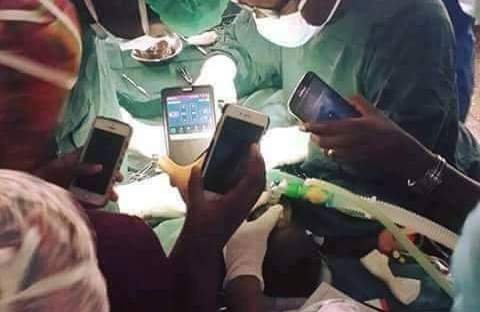
I was at Okwe General hospital Asaba some months ago to see a sick friend and saw how Nurses performed child delivery in darkness using phone as touch light.

My heart bleed for Nigeria.

It was a total blackout I witnessed in the hospital, a place I saw where over 3 to 4 children being delivered(born) in darkness.

At a point I ask myself, what are the benefit of Nigerians from their government?

The Nigeria story is what crying for.

Health

Dear ladies by Ojuolape AKA Iyalabule

He won’t use condoms, you use pills. why? Because he wants it natural?
( Think of ovarian cancer and infertility ).

He gets you pregnant, you have aborted like 5 times why? Because he is not ready. Grow up.

He is tired of natural place for copulation, He moves to your ass saying its tighter, then you begin to leak and smell. why? because you want to please and not loose him Grow up.

You have been wearing his engagement ring for close to 4yrs, He is not wearing any.. why? because he has promised you marriage Grow up.

My sister,
You dress half naked thinking you look sexy and hot, He isn’t complaining but he has more cloths on. Don’t be surprised when he takes a more decent girl home. GROW UP LADY.

A guy dumps you, you wanna pay him back and all you could do is to sleep with his friend?
and you think this is pay back?
MY SISTER GROW UP

You think getting pregnant for him will make him marry you? GROW UP GIRL

You will become a single mama with No Job, No means of feeding

Health

The legal age of cigarette purchasing raises from 18 years to 21 years in United state of America

The President Trump of the United States of America has signed a bill into law that prohibits the sale of tobacco products to anyone under the age of 21.

The new law which takes effect from 2020 stated that it will be a violation of federal law to sell tobacco to people under age 21. Hallelujah.

I can’t love Trump less. God be with you Mr president.

Long live America

Health

Femi Fani-Kayode speaks on Deji Adeyaju’s health in Dubai

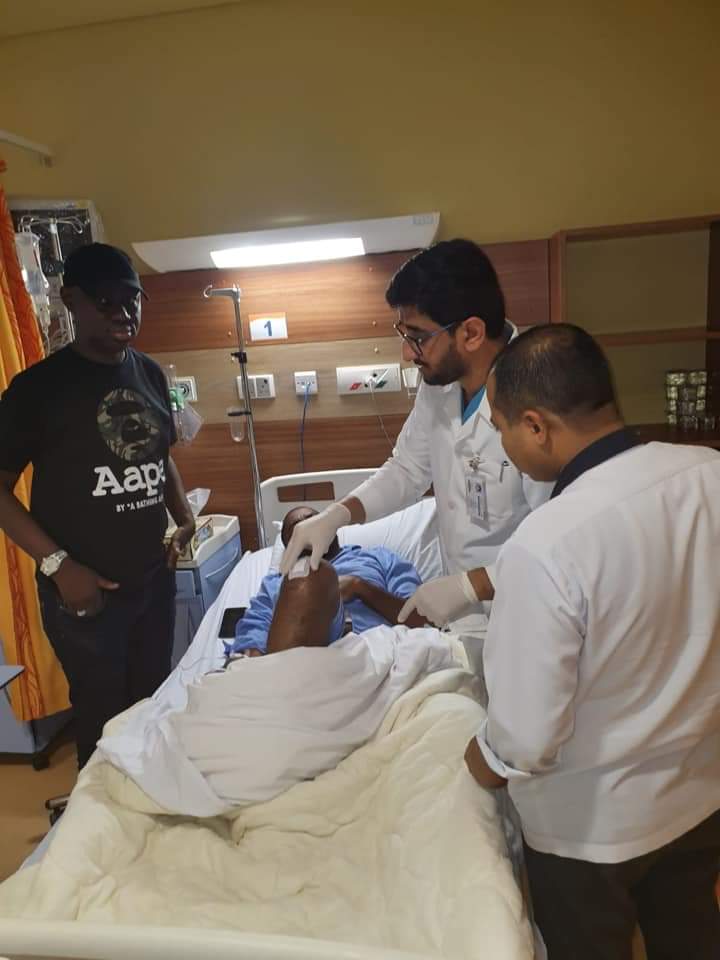
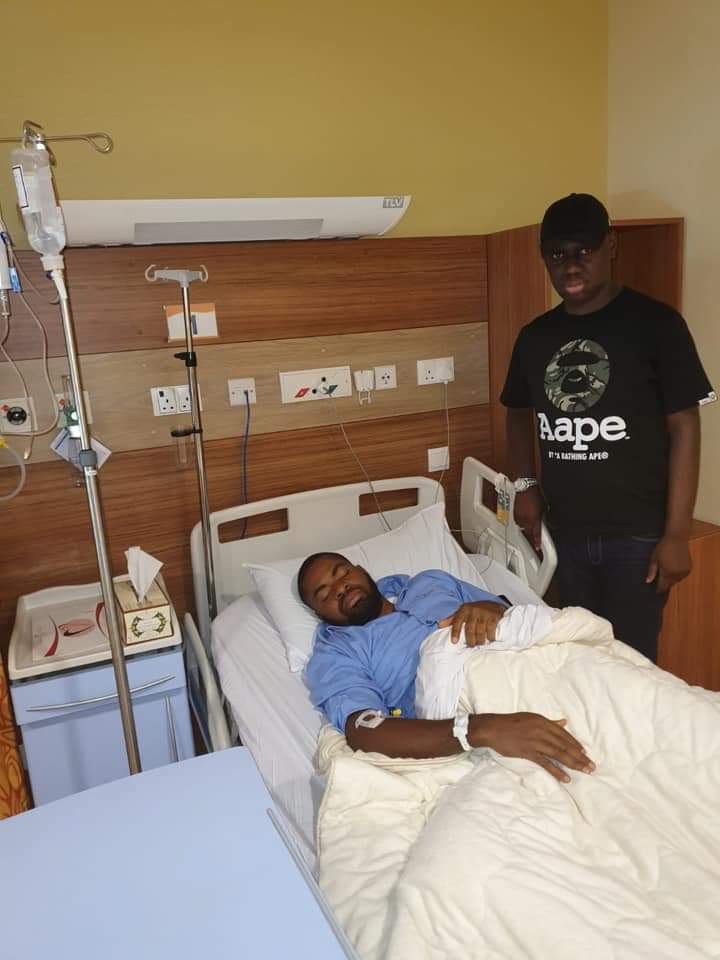
Prince Deji Adeyanju has been admitted into hospital in Dubai and is slowly recovering from the injuries he sustained after he was attacked in Abuja by a crowd of Buhari-loving almajiris.

Comrade Timi Frank, another great and courageous warrior and soldier of democracy is with him.

Hang in there my dear aburo Deji and know that we love you and are very proud of you. They beat you in the streets of Abuja and boasted about it but the following day they were forced to release your friend Sowore and my friend Dasuki.

Comrade Timi Frank with Deji Adeyaju’

We have won and we shall continue to win- Femi Fani-Kayode.

Health

Nigerians should be mindful of the drinks they consume, dorctor warns.

A Nigerian medical doctor with the Twitter handle, @doctoremzo has advised Nigerians to be mindful of the drinks they consume, especially drinks like zobo, kunu that come with re-used plastic bottles.

In his words;

“This is important! Empty bottles being used by patients in the hospital is normally packed by some cleaners who get to sell them to some of their customers who use it to make “Zobo, yoghurt, kunu, tiger nut drinks and so on”.

Now here is the problem some of these bottles

Some of these bottles were used by patients who had Tuberculosis, which means they coughed out their saliva into it… Some were used by patients with Hepatitis B and other infections that are can be transmitted, it could be Lassa fever or Ebola viral infection

When those that buy the empty plastic bottles buy it, they do so at a very cheap amount and I’m sure that they don’t sterilize it hence the chances for transmission of infection is very high.

This message is very important for everyone especially.

You have to be careful, this has been the tradition for years and this is one of the ways by which some people come down with infections at times without knowing the source.

It’s a message for everyone that cares about their health. Be conscious of what you eat and the source.

Health

Read 20 simple ways to fall asleep as fast as possible by Emeka Egoigwe.

  1. Lower your room temperature.
    By using airconditioners or taking a warm bath or shower.
  2. Use the “4-7-8” breathing method.
    The “4-7-8” method is a simple but powerful breathing method that promotes calmness and relaxation.
    Here are the steps:
    a. First, place the tip of your tongue behind your upper front teeth.
    b. Exhale completely through your mouth and make a whoosh sound.
    c. Close your mouth and inhale through your nose while mentally counting to four.
    d. Hold your breath and mentally count to seven.
    e. Open your mouth and exhale completely, making a whoosh sound and mentally counting to eight.
    f. Repeat this cycle at least three more times. This technique can relax you and help you fall asleep quickly.
  3. Get on a schedule
    Your body has its own regulatory system called the circadian rhythm. This internal clock cues your body to feel alert during the day but sleepy at night.

Waking up and going to bed at the same times each day can help your internal clock keep a regular schedule. Once your body adjusts to this schedule, it will be easier to fall asleep and wake up around the same time every day.

  1. Experience both daylight and darkness.
    During the day, exposing your body to bright light tells it to stay alert. At night, darkness promotes feelings of sleepiness. It has been found that darkness boosts the production of melatonin, an essential hormone for sleep. Use blackout curtains to make your room dark at night if possible.
  2. Practice Yoga, Meditation and Mindfulness
    Yoga encourages the practice of breathing patterns and body movements that release stress and tension that accumulated in your body.

Meditation can enhance melatonin levels and assist the brain in achieving a specific state where sleep is easily achieved.

Mindfulness can help you maintain focus on the present and worry less while falling asleep.

  1. Do not look at your clock
    “Clock-watching” is common among people suffering from insomnia. This behavior may cause anxiety about sleeplessness.

If possible, it is best to remove the clock from your room. If you need an alarm in the room, you can turn your clock and avoid watching it when you wake up in the middle of the night.

  1. Avoid naps during the day
    Avoiding naps or limiting it to max of 30mins during the day will make you sleepy at night.
  2. Watch what and when you eat before bed.
    A high carbohydrate and low fat dinner will make you fall asleep faster but the quality of sleep won’t be as good as that of high fat and low carbohydrate dinner even when the total calories in both dinner are same. If you must eat high carbohydrate dinner, give at least 4hrs digestion gap before bed.
  3. Listen to relaxing music.
    Use relaxing music but if it’s not available, blocking all noise could also help you fall asleep faster and promote uninterrupted sleep.
  4. Exercise during the day.
    It has been found that an early morning moderate-intensity exercise routine can increase the duration and quality of sleep by boosting the production of serotonin in the brain and decreasing levels of cortisol, the stress hormone.
  5. Get comfortable.
    It has been found that having a comfortable mattress and beddings can have a remarkable effect on the depth and quality of your sleep. The mattress, pillows, bed spreads, duvets and the fabrics of your PJ are all vital to your sleep quality. Chose what makes you comfortable and relaxed.
  6. Turn off all electronics.
    It is recommended that you disconnect all electronics and put away computers and mobile phones so you can ensure a quiet place, free of distractions. You will be able to fall asleep much faster.
  7. Try Aromatherapy
    Aromatherapy involves the use of essential oils that helps relaxation like lavender oils etc.
  8. Practice Journaling
    Some people have difficulty falling asleep because their thoughts keep running in circles. Research has shown that this can produce anxiety and stress, which can generate negative emotions and disturb sleep. So journaling (writing down) and focusing on positive thoughts about things that happened during the day usually bring sense of happiness and gratitude that can calm the mind and help you sleep better.
  9. Limit caffeine and drink a soothing beverage.
    The use of caffeine is essential in some people to help them maintain their strength throughout the day. And the effect vary from person to person. But it can also disturb sleep and to avoid that, it is adviced that you don’t take caffeine within 6hrs of your bedtime. Instead, you could drink a soothing tea like chamomile tea, which has been shown to promote sleep and relaxation.
  10. Adjust your sleep position.
    There are three main sleeping positions: back, stomach or side. The side sleeping has been found to be the best, however, choose the position that is most comfortable for you.
  11. Read something.
    Reading a physical book can help you wind down and relaxed enough to fall asleep. Electronic books on the other hand will not because the electronic device emits the kind of light that reduces melatonin secretion, thereby affecting your ability to fall asleep.
  12. Focus on trying to stay awake
    Forcing yourself to fall asleep sometimes can creat anxiety and stress and prevent sleep. Therefore, try “paradoxical intention.” force yourself to stay awake and you’ll find yourself sleeping off.
  13. Visualize things that make you happy.
    Visualize a place that makes you feel happy and calm, instead of lying in bed worrying and thinking about stressful things.
  14. Try sleep-enhancing supplements.
    The underlisted supplements can help you fall asleep faster, by either promoting the production of sleep enhancing hormones or by relaxing your brain:
  15. Magnesium.
  16. 5-HTP (5-hydroxytryptophan).
  17. Melatonin.
  18. Theanine. (an amino acid with sedative properties found in some tea)
  19. GABA (gamma-aminobutyric acid).
    Others are:
  20. Milk
  21. Cottage cheese
  22. Bananas
  23. Oatmeals

Health is wealth.

Health

How to improve your mental health by Naomi JP.

Mental and emotional health is very important because it’s a vital part of your life and impacts your thoughts, behaviors and emotions. Being healthy emotionally can promote productivity and effectiveness in activities like work, school or caregiving.

It plays an important part in the health of your relationships, and allows you to adapt to changes in your life and cope with adversity.

There are steps you can take to improve your mental health everyday. Small things like exercising, eating a balanced and healthy meals, opening up to other people in your life, taking a break when you need to, remembering something you are grateful for and getting a good night’s sleep, can be helpful in boosting your emotional health.

Naomi JP

Remember health is wealth.